An Interview with Professor Burkhard Dick on ESCRS London 2026
“ ESCRS London 2026 is intended not only to be a significant congress but also a precise reflection of what characterises modern ophthalmology today “
Professor Dick, the Football World Cup is over, whilst the ‘World Cup’ of international ophthalmology congresses is still to come, with the upcoming ESCRS meeting in London. Even if the comparison is meant tongue-in-cheek, is it really an exaggeration in scale? What role does the ESCRS congress play in global ophthalmology?
The comparison is not much of an exaggeration. Whilst we do not measure ourselves by goals scored, we do effectively and rigorously do so by monitoring scientific substance, surgical excellence and, ultimately, the impact on patient care. Today, the ESCRS is far more than a European professional society; it is regarded as a global benchmark for cataract and refractive surgery. The congress in London will bring together well over 15,000 delegates from over 130 countries. Furthermore, the society has access to data on more than four million operations in its registers. The discussions held in London therefore not only influence individual centres but also shape training, evidence, standards, nomenclature and clinical decisions worldwide. For this reason, this congress is particularly relevant to and has a massive impact on global ophthalmology.
What makes London such an attractive venue this year and in general?
London is an ideal venue this year for two main reasons. Firstly, there is a close historical connection to ophthalmology: the first intraocular lens implantation took place in this city. This lends the venue special symbolic significance, which is particularly fitting for the Ridley Medal Lecture and the history of modern cataract surgery. Secondly, London is one of the most accessible international transport hubs. ExCeL London is directly connected via the Elizabeth Line and the DLR, London City Airport is in the immediate vicinity, and the conference centre is one of the largest and most successful in Europe. Furthermore, ExCeL is officially certified as climate-neutral and is pursuing a net-zero target, aligning with the ESCRS’s sustainability ambitions.
Last year’s ESCRS Congress in Copenhagen was already very impressive. What will be different this year – perhaps even better?
Copenhagen set a very high standard, which is something that is now coming to be expected with our annual congresses. London is therefore not aiming simply to be bigger, but is placing particular emphasis on interactivity, discourse and a forward-looking approach. I have initiated the following new focal points: 3D surgery sessions, the Operating Microscope Showdown, the Parliament Debates, the Surgical Pearls sessions, the AI Summit and AI symposia, the Excimer Laser Museum, and expanded formats for young ophthalmologists. The programme consistently reflects this focus: alongside the traditional Main and Research Symposia, as well as the Ridley and Heritage Lectures, it features Near-Live Surgery, the World Café, the Arena Forum, BoSS formats, digital health content and new discussion formats that actively engage the audience. If London is to surpass Copenhagen, it will not be through sheer volume, but through greater genuine participation, higher relevance to daily practice and the presentation of forward-looking topics.
At congresses such as the ESCRS and the AAO, the opening session alone is usually a highlight – often a high-decibel light-and-sound show. But behind the glamorous video clips, the participants smiling happily at the camera, and the clips of panels engaged in lively discussion, what substantive value will you convey to the audience right from the opening session?
For me, the key theme at the opening is not on spectacle but on the substance of the content. The opening ceremony is intended to highlight scientific progress, humanitarian initiatives and innovations. That is the key point: first, I want to make it clear that the ESCRS is an independent, evidence-based and globally networked professional community. Second, innovation only has value if it improves patient care. Third, excellence must be understood more comprehensively today. It encompasses continuing professional development, responsibility, humanity, sustainability and a culture in which the next generation’s voice is also heard. If the audience takes this message on board, the opening will not just be a show but also a guiding light.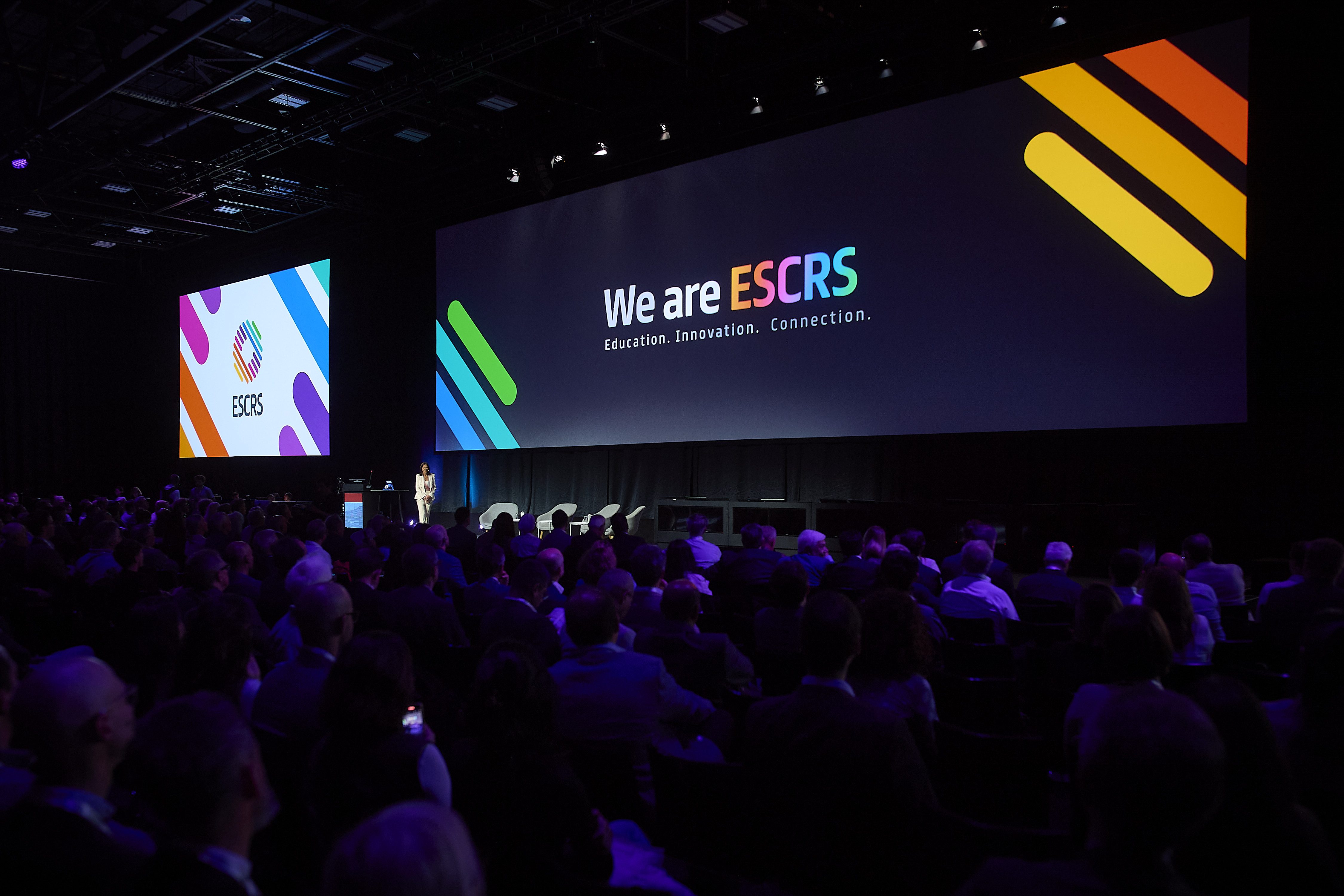
If you had to name three absolute highlights from the extensive programme – really, just three! – which would they be?
If I have to limit myself to three highlights, the first would be the Opening Ceremony with the Ridley Medal Lecture – because of the special venue, its historical significance and the message we are sending in London. Secondly, the ESCRS iNovation Day on Friday, as it will address future-oriented topics such as artificial intelligence, robotics, presbyopia, interventional glaucoma surgery and medical retina in a concentrated format. Thirdly, the new Arena featuring the Parliament Debates and the 3D Operating Microscope Showdown, as this brings together evidence-based discussions and practical demonstrations. These three formats represent what sets London 2026 apart: the connection between the origins, the present and the future of our speciality.
A distinctive feature of the ESCRS congresses is the iNovation Day. What can participants expect here?
iNovation Day stands out as a carefully curated day dedicated to innovation, rather than a traditional industry programme. It will feature nine compact sessions, complemented by around 20 presentations from young start-ups, live pitches from the Innovators’ Den, networking opportunities and interactive polls. The topics range from mergers and acquisitions and global innovation trends, through artificial intelligence and robotics in cataract surgery, to refractive and corneal markets, presbyopia IOLs, interventional glaucoma, medical retina in cataract practice, and a leadership panel on the future of medtech over the next five years. Its particular strength lies in the combination of strategic overview, clinical relevance and early insights into technologies that could transform everyday practice in the near future.
Take ‘Day’ as an example. There’s Cornea Day, Glaucoma Day, and WSPOS Day. Why?
Modern ophthalmic surgical practice is inherently interdisciplinary and should no longer be confined within narrow specialist boundaries. A competent cataract or refractive surgeon must also consider the cornea, glaucoma, the ocular surface, comorbidities, and, in certain cases, paediatric aspects. This is why these specialised ‘Days’ exist: Cornea Day is organised jointly with EuCornea, Glaucoma Day with the European Glaucoma Society, and WSPOS Day in cooperation with the World Society of Paediatric Ophthalmology and Strabismus. These events are not peripheral topics but offer targeted, in-depth explorations of areas that significantly influence the success of surgical decisions in everyday clinical practice.
What sounds new in the programme is ‘parliamentary debates’ modelled on the House of Commons. In a democracy that has seen seven prime ministers in the space of ten years, the entertainment value is bound to be high, isn’t it?
A certain degree of entertainment value is beneficial for a congress, but the format itself is characterised by great seriousness. The Parliamentary Debates are explicitly evidence-based and not opinion-driven. That is something I particularly appreciate: controversial issues are not watered down but are discussed in a structured, precise and comprehensible manner. The audience votes before and after the debate and can thus immediately see whether convincing arguments have led to a change of perspective. This harmonises very well with London as a political backdrop, whilst at the same time we bring scientific rigour to bear. My aim is for participants to leave the session both stimulated and better informed.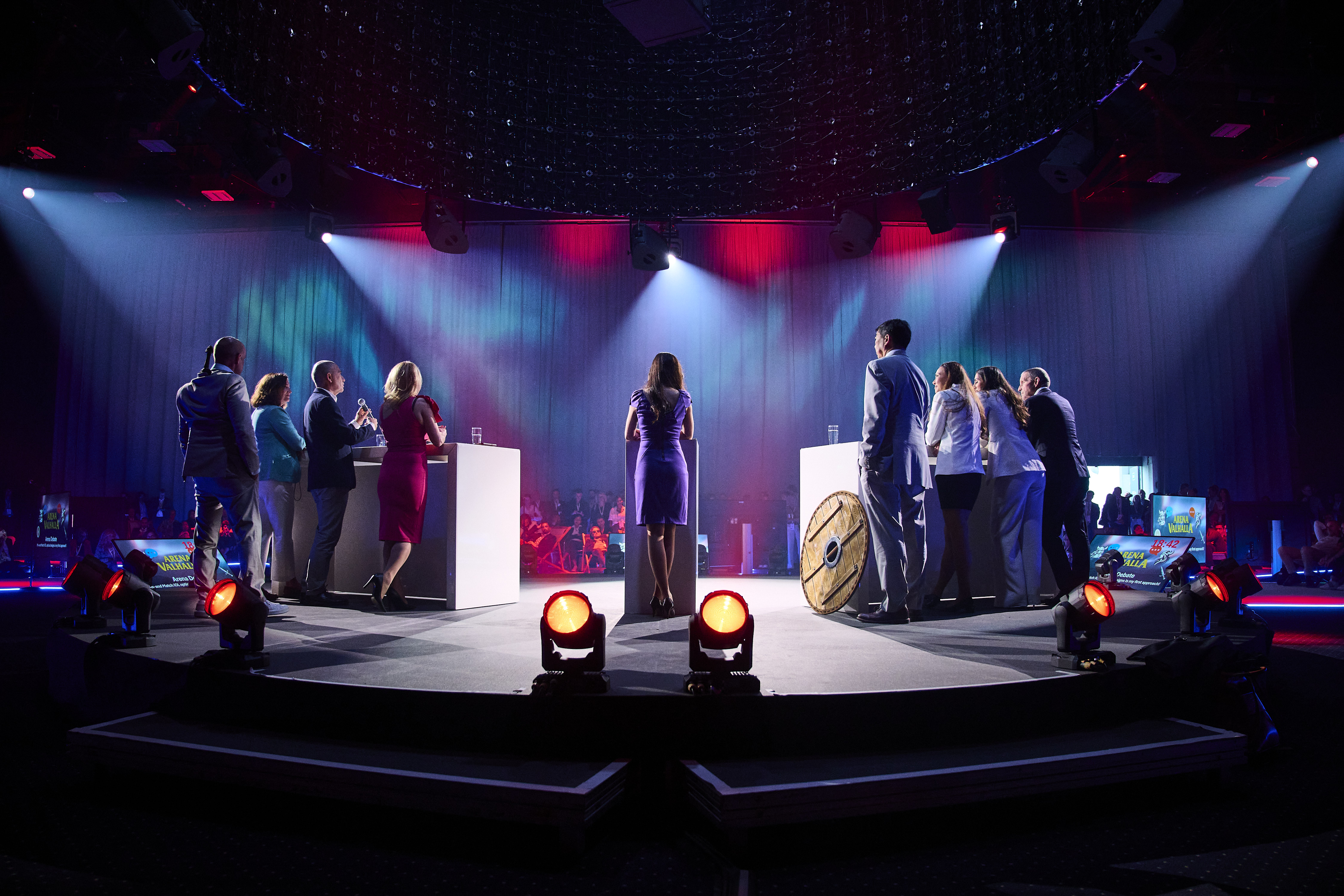
What goals has the ESCRS set for itself under your leadership, beyond innovations in ophthalmic surgery?
My aim is to further establish the ESCRS as a global, independent community for knowledge and continuing professional development in its next phase. This encompasses several priorities: more intensive international collaboration with partner societies, further strengthening of evidence-based research, the expansion of modern training formats, and the responsible, thoughtful integration of artificial intelligence and digital medicine. Our 2025–2030 strategy sets out five main objectives: Membership & Engagement, Research, Education, Partnerships, and Organisation & Governance. Alongside inclusion, diversity, leadership, business and sustainability, issues such as humanitarian engagement and improved access to care in underserved regions are particularly important to me. In summary: it is not just about better surgery, but also about a stronger, more open and more responsible professional community.
Let’s look back not just one year, but five. What have been the most significant innovations in surgical ophthalmology?
If I were to summarise the developments of the last five years, four key trends can be identified. Firstly, the integration of digital and AI-supported technologies into diagnostics, planning and intraoperative decision support, including the introduction of the first robot-assisted systems in cataract surgery. Secondly, the rise of minimally invasive glaucoma procedures – namely MIGS, DSLT and combined strategies – which are integrating glaucoma more closely into cataract practice. Thirdly, advances in corneal therapy, particularly the rapid development of endothelial cell therapy as a minimally invasive alternative, as well as intrastromal or endolayer therapies. Fourthly, the increasing precision and personalisation of lens surgery – from improved functional IOL classification to ever more sophisticated calculation models and patient-centred selection. The real innovation lies in the interplay of data, technology, biology and personalised therapy.
Is there anything that gives you cause for concern ahead of this major congress? Not just the five days in London, but also the next five years of global ophthalmology?
With regard to London itself, I feel above all the respect that comes with organising such a large international event, particularly in ensuring a smooth journey, participation and exchange for all colleagues. For the next five years, however, I consider three structural challenges to be particularly relevant. Firstly, unequal access to high-quality ophthalmology worldwide; innovation is only effective if it benefits many people. Secondly, regulatory hurdles, particularly in Europe, where MDR processes can slow innovation or make it more expensive. Thirdly, the responsible use of artificial intelligence, data and ethics. These technologies offer great opportunities, but must be integrated in a transparent, responsible and clinically sound manner. Added to this is the issue of sustainability. In future, our speciality too will have to be measured against its use of resources and its carbon footprint.
If you were to meet a colleague today who is still undecided about attending the ESCRS Congress, what would you say to her?
I would advise her: if you simply want to listen to lectures, there are plenty of options available online. However, for anyone wishing to comprehensively expand their knowledge, surgical practice, professional network and perspective on the future of the discipline in just a few days, London 2026 is ‘the place to be’.
There you can expect high-calibre main and research symposia, symposia on innovation, surgery and AI, 14 Cataract Simulation Lab places, a wide selection of instructional courses, wet labs, exciting near-live surgery, lively debates, mentoring, visually impressive 3D video sessions (Global Saves), leadership and BoSS formats – all within a community of more than 15,000 participants from around the world.
Added to this are special programmes for teams and the next generation, as well as an inclusive congress culture. For me, the ESCRS Congress is not just another meeting but a vibrant hub where the professional, personal and strategic development of our discipline is immediately palpable. The congress is a genuine experience where you can actively help shape this development.
ESCRS London 2026 is intended not only to be a significant congress but also a precise reflection of what characterises modern ophthalmology today: evidence-based, interactive, globally connected, technologically advanced, and always committed to patient welfare. That is what the ESCRS stands for.
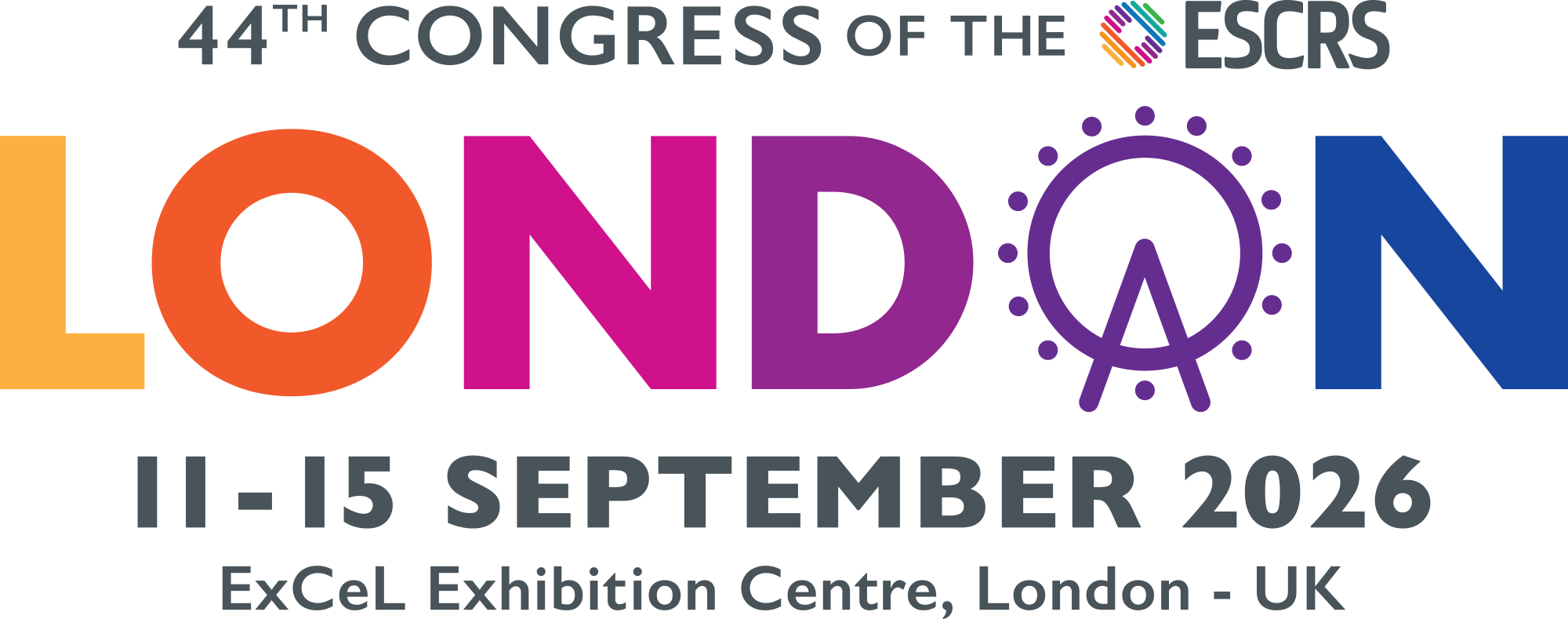
Register for the ESCRS 2026 Annual Congress in London at congress.escrs.org.
Published
Monday, July 27, 2026
Category
Congress News
Tags